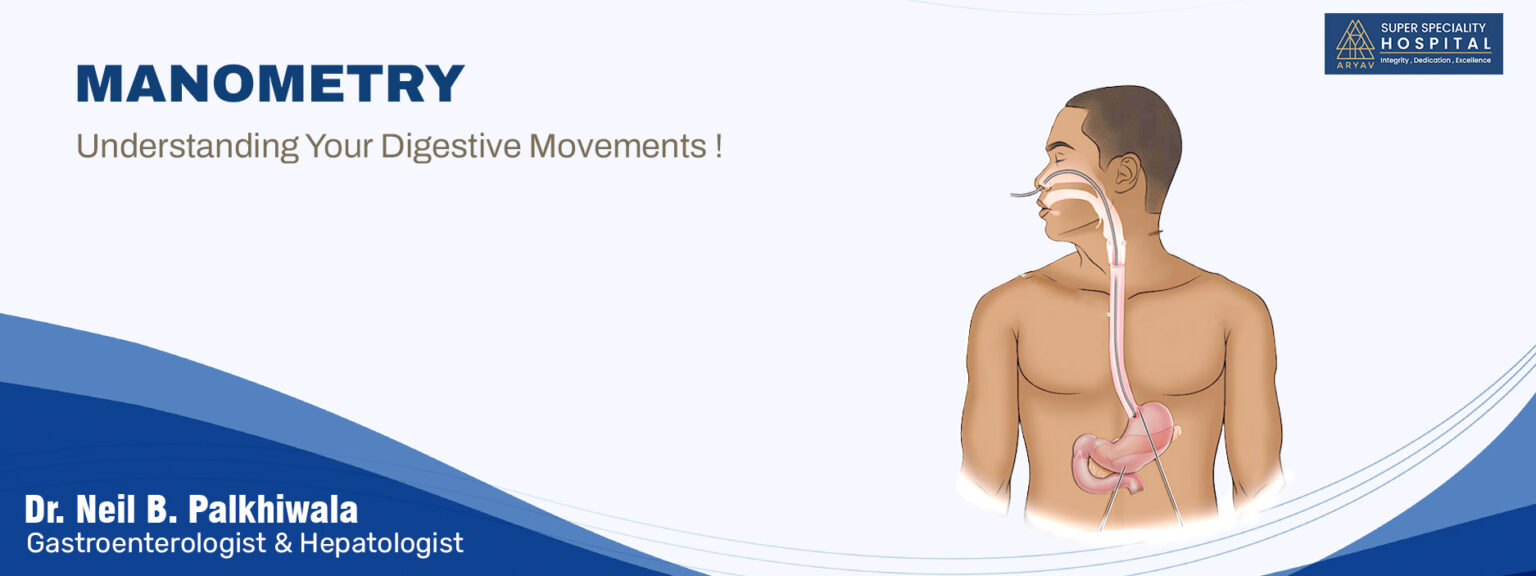
What is Manometry?
Manometry is a diagnostic test that measures the pressure and muscle function within various parts of the body, most commonly the esophagus, anus, or rectum. It helps evaluate how well the muscles and sphincters are working to move food or stool through these organs.
Why Is Manometry Done?
Manometry is performed to diagnose disorders related to muscle function and motility, such as:
- Difficulty swallowing (dysphagia)
- Acid reflux or gastroesophageal reflux disease (GERD)
- Achalasia (a disorder where the esophagus fails to relax properly)
- Chronic constipation or fecal incontinence
- Disorders of the anal sphincter muscles
The test helps pinpoint the cause of symptoms so appropriate treatment can be planned.
Types of Manometry
- Esophageal Manometry: Measures the pressure and coordination of the esophageal muscles and lower esophageal sphincter.
- Anorectal Manometry: Evaluates the muscles and nerves in the rectum and anus, useful in bowel movement disorders.
- Other types: Manometry can also be done for the stomach (gastric) or small intestine in specialized cases.
The Procedure of Manometry:
- A thin, flexible catheter with pressure sensors is gently inserted into the relevant area (e.g., nose to esophagus, or rectum).
- The catheter measures muscle pressures as the patient performs certain actions like swallowing or squeezing.
- The procedure usually takes about 30 to 60 minutes and is often done on an outpatient basis.
- It may cause mild discomfort but is generally well tolerated.
Esophageal Manometry Test
An esophageal manometry test is a specialized procedure used to evaluate the function of the esophagus and its muscles. It helps diagnose swallowing disorders, acid reflux, and other esophageal conditions. Performed by experienced gastroenterologists, the test provides accurate insights into abnormal esophageal movements and guides effective treatment options for improved digestive health.
The Benefits of Manometry:
- Accurate Diagnosis of Swallowing Disorders
- Guides Treatment Planning
- Essential Before Anti-Reflux Surgery
- Non-Invasive & Safe
- Assesses GERD-related Dysfunction
- Quick and Precise Results
Dr. Neil Palkhiwala - Manometry Test Specialist Doctor in Ahmedabad
Manometry testing plays a crucial role in diagnosing esophageal and anorectal motility disorders. Correct interpretation of pressure patterns is essential for guiding further treatment. For accurate results and expert clinical correlation, patients often consult the best Gastroenterologist near me in Ahmedabad when undergoing manometry studies.
Schedule your Manometry treatment with Dr. Neil Palkhiwala - Director and Head Aryav Multispeciality Hospital, Ahmedabad. Call us to book your appointment or ask any questions to +91 91069 95254.