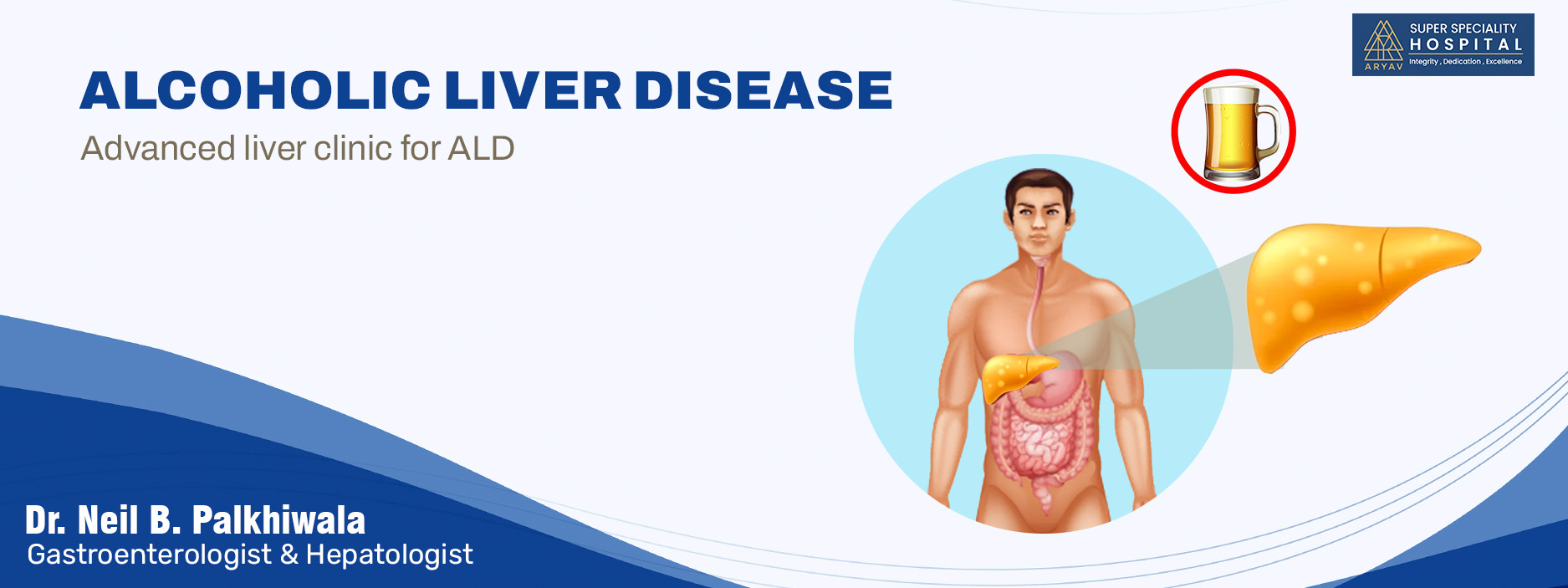
What is Alcoholic Liver Disease?
Alcoholic Liver Disease (ALD) is liver damage caused by excessive and long-term alcohol consumption. The liver, responsible for filtering toxins and metabolizing alcohol, can become inflamed, scarred, and eventually fail if exposed to too much alcohol over time.
Symptoms of Alcoholic Liver Disease:
- Fatigue and weakness
- Jaundice (yellowing of skin and eyes)
- Abdominal pain and swelling
- Nausea and loss of appetite
- Easy bruising or bleeding
- Confusion or mental changes (in severe cases)
Causes of Alcoholic Liver Disease :
- Long-term heavy alcohol consumption
- Genetic susceptibility
- Poor nutrition
- Female gender (higher vulnerability to alcohol)
- Existing conditions like hepatitis or obesity
How Is Alcoholic Liver Disease Diagnosed?
- Medical History & Physical Exam: Discuss alcohol use and check for signs like jaundice or abdominal swelling.
- Blood Tests: Assess liver function and look for elevated liver enzymes.
- Imaging: Ultrasound or CT scan to evaluate liver size and damage.
- Liver Biopsy: Sometimes done to confirm severity of liver injury.
Treatment Options for Alcoholic Liver Disease
- Complete abstinence from alcohol to stop further liver damage
- Nutritional support including vitamins and a balanced diet
- Medications to reduce liver inflammation and manage symptoms
- Treatment of complications like infections or fluid buildup
- Liver transplant in advanced cases with severe liver failure
Dr. Neil Palkhiwala - Alcoholic Liver Disease Specialist
Alcohol-related liver disease requires early intervention and continuous monitoring to prevent progression. Medical evaluation helps guide lifestyle changes and treatment planning. Patients with liver concerns often seek guidance from the best Gastroenterologist in Ahmedabad for structured and evidence-based care.
Frequently Asked Questions
Alcoholic Liver Disease (ALD) refers to liver damage caused by excessive alcohol consumption. It ranges from fatty liver (steatosis) to alcoholic hepatitis (inflammation), and ultimately cirrhosis (severe scarring). The condition impairs the liver's ability to filter toxins, produce proteins, and manage metabolism.
The threshold for liver damage varies by individual, genetics, and gender. However, drinking more than the recommended guidelines (e.g., more than 1-2 drinks per day for women, and 2-3 for men) over several years significantly increases the risk of developing alcoholic fatty liver or advanced ALD.
In its earliest stages (fatty liver), ALD often has no noticeable symptoms. As it progresses to alcoholic hepatitis, you may experience fatigue, loss of appetite, nausea, mild right-sided abdominal discomfort, and unexplained weight loss. If you drink heavily, regular screening is crucial.
Yes, early stages of ALD, such as alcoholic fatty liver and mild alcoholic hepatitis, can often be reversed with strict alcohol abstinence, nutritional support, and lifestyle changes. However, once the disease progresses to cirrhosis, the scarring is permanent, though treatment can halt further damage.
Diagnosis involves a detailed medical history regarding alcohol intake, comprehensive blood tests (Liver Function Tests, CBC), and high-resolution imaging like Ultrasound or FibroScan. A FibroScan safely measures liver stiffness without a biopsy, helping determine the exact stage of liver damage.
Continued drinking severely accelerates liver damage. It guarantees the progression from fatty liver to severe hepatitis and irreversible cirrhosis. This can lead to life-threatening complications such as liver failure, massive internal bleeding (varices), fluid accumulation (ascites), and a high risk of liver cancer.
The cornerstone of ALD treatment is absolute alcohol cessation, often requiring rehabilitation support. Medical treatment includes specialized nutritional therapy to correct deficiencies, corticosteroids to reduce acute liver inflammation (in severe hepatitis), and medications to manage portal hypertension or ascites.
A liver transplant is considered when ALD progresses to decompensated cirrhosis or end-stage liver failure, and standard therapies are no longer effective. Candidates must demonstrate a strict period of documented alcohol abstinence (usually 6 months) and undergo rigorous medical and psychological evaluation.