Cholecystitis Treatment in Ahmedabad

Clearing the Path to Digestive Comfort

Cholecystitis Treatment

What is Cholecystitis?

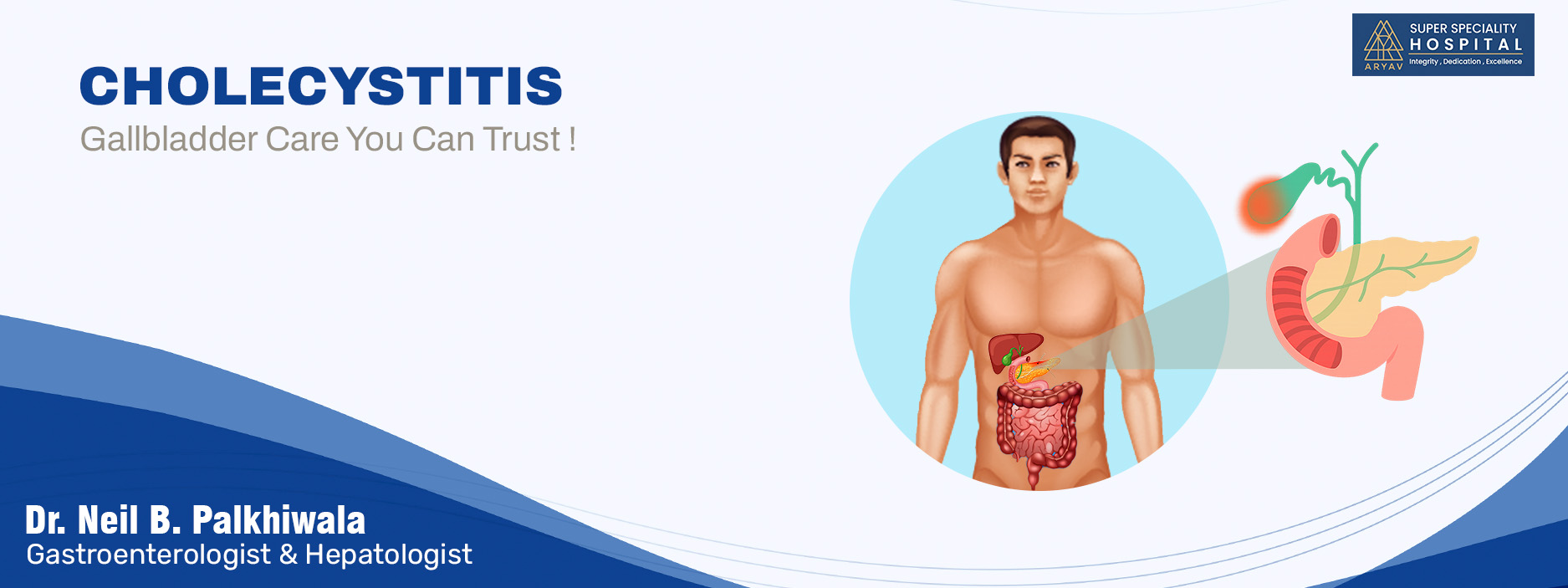
Cholecystitis is the inflammation of the gallbladder, a small organ located beneath the liver that stores bile. This condition usually occurs when a gallstone blocks the bile duct, causing bile to build up and irritate the gallbladder.

Causes of Cholecystitis:

  • Gallstones blocking the cystic duct (most common)
  • Bile duct problems or tumors
  • Infection in the bile ducts
  • Trauma or injury to the gallbladder

Symptoms of Cholecystitis:

  • Severe pain in the upper right abdomen
  • Pain that may spread to the right shoulder or back
  • Nausea and vomiting
  • Fever and chills
  • Tenderness over the abdomen

Diagnosis of Cholecystitis:

  • Physical exam and symptom review
  • Ultrasound to detect gallstones and inflammation
  • Blood tests to check for infection and liver function
  • Imaging tests like CT scan or HIDA scan if needed

Treatment of Cholecystitis:

  • Hospitalization for pain control and hydration
  • Antibiotics for infection
  • Fasting to rest the gallbladder
  • Surgery (usually laparoscopic cholecystectomy) to remove the gallbladder if needed

Dr. Neil Palkhiwala - Cholecystitis Specialist Doctor

Patients with recurring pain right side abdominal concerns often seek guidance from the best Gastroenterologist in Ahmedabad for structured and evidence-based care.

Frequently Asked Questions

Cholecystitis is the inflammation of the gallbladder, most often triggered by a gallstone blocking the cystic duct. While gallstones are solid deposits that can sit silently for years, cholecystitis is the active inflammatory response that causes severe pain, fever, and requires prompt medical attention.

A cholecystitis attack typically starts with a sudden, intense pain in the upper right abdomen that can radiate to the right shoulder or back. It is often accompanied by fever, nausea, vomiting, and the pain does not subside on its own within a few hours, unlike typical indigestion.

Yes, this is known as acalculous cholecystitis and it accounts for about 5 to 10 percent of all cases. It tends to occur in critically ill patients, those who have undergone major surgery, or those with severe infections. The gallbladder becomes inflamed without a stone being present, often due to poor blood flow.

If left untreated, cholecystitis can lead to serious complications. The gallbladder can develop gangrene (tissue death) or even rupture, causing peritonitis, a life-threatening infection of the abdominal cavity. A pus-filled abscess within the gallbladder can also form, requiring emergency surgery.

Diagnosis usually involves a combination of physical examination (checking for Murphy's sign), blood tests to detect elevated white blood cells and liver enzymes, and imaging. Abdominal ultrasound is the first-line imaging test as it can quickly identify gallstones and gallbladder wall thickening.

For acute cholecystitis, surgery to remove the gallbladder (cholecystectomy) is the most definitive and recommended treatment to prevent recurrence. Initial management may include hospitalization, IV antibiotics, pain control, and fasting. Laparoscopic cholecystectomy is the preferred approach as it results in a faster recovery.

Yes, the vast majority of people live completely normal, healthy lives after their gallbladder is removed. The liver continues to produce bile, which drains directly and continuously into the small intestine. Some people may experience mild post-cholecystectomy symptoms initially, but these usually resolve within a few weeks.

If you have a history of gallbladder issues, it is best to avoid high-fat, fried, and greasy foods, as these stimulate the gallbladder to contract and can trigger pain. Highly processed foods, full-fat dairy products, and rich sauces should be limited. A diet rich in fiber, fruits, vegetables, and lean proteins is protective.