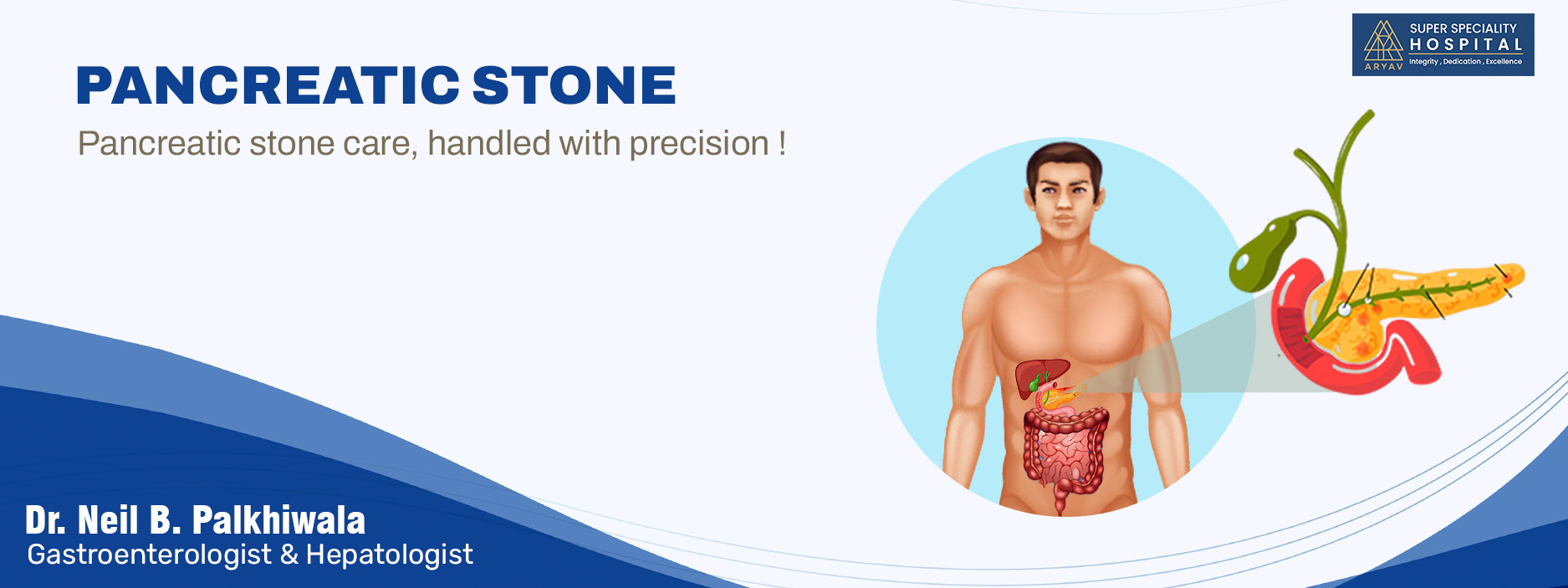
What are Pancreatic Stones?
Pancreatitis stones, also known as pancreatic duct stones, are hardened deposits that form in the pancreatic ducts – the tubes that carry digestive enzymes from the pancreas to the small intestine. These stones are most commonly seen in patients with chronic pancreatitis, a long-term inflammation of the pancreas.
Symptoms of Pancreatitis Stone:
- Persistent upper abdominal pain that may radiate to the back
- Nausea and vomiting
- Digestive problems (bloating, oily stools)
- Unexplained weight loss
Causes of Pancreatitis Stone:
- Chronic alcohol use
- Genetic disorders of the pancreas
- Autoimmune diseases
- Blockage of the pancreatic duct
- High calcium or fat levels in the blood
How to Diagnose Pancreatitis Stone?
Pancreatic stones can be detected using:
- CT scan
- MRI or MRCP
- Endoscopic ultrasound (EUS)
- ERCP (Endoscopic Retrograde Cholangiopancreatography)
Treatment Options:
- ERCP: Minimally invasive endoscopic procedure to locate and remove the stones.
- Surgery: In severe or recurrent cases.
- Dietary management: And medications to control inflammation and pain.
Dr. Neil Palkhiwala - Pancreatic Specialist Doctor in Ahmedabad
Dr. Neil Palkhiwala is recognized as the best Gastroenterologist in Ahmedabad, offering advanced diagnostic and therapeutic endoscopy services for the effective management of pancreatic stones. His expertise includes specialized procedures such as ERCP and EUS, which help accurately diagnose and treat complex pancreatic conditions. With a patient-focused approach, he aims to relieve symptoms, improve digestive health, and prevent future complications through precise and minimally invasive care.
Frequently Asked Questions
Pancreatic Stones, also known as pancreatic duct calcifications, are hard mineral deposits that form inside the pancreatic duct. They typically develop due to chronic inflammation of the pancreas (chronic pancreatitis), alcohol overuse, metabolic conditions, or genetic factors.
Common symptoms include severe upper abdominal pain radiating to the back, postprandial (after meal) abdominal pain, nausea, vomiting, chronic diarrhea (steatorrhea), unexplained weight loss, and new onset diabetes due to impaired pancreatic function.
Diagnosis involves high resolution imaging tests including Non Contrast CT of the abdomen, MRCP (Magnetic Resonance Cholangiopancreatography), Endoscopic Ultrasound (EUS), and ERCP to visualize ductal anatomy and stone location.
Yes, most pancreatic duct stones are successfully removed using advanced therapeutic endoscopy. Techniques include ERCP pancreatic sphincterotomy, balloon/basket extraction, ESWL (Extracorporeal Shock Wave Lithotripsy) to fragment large stones, and pancreatic duct stenting.
ESWL uses focused acoustic shock waves generated outside the body to crush large or impacted pancreatic stones into tiny fragments, which can then be easily extracted endoscopically during a subsequent ERCP procedure.
Pancreatic duct stenting is performed during ERCP to relieve ductal pressure, bypass inflammatory pancreatic duct strictures, ensure smooth drainage of pancreatic juice, and relieve severe abdominal pain.
Essential lifestyle modifications include absolute cessation of alcohol consumption, complete tobacco cessation, following a low fat diet, staying hydrated, and taking prescribed pancreatic enzyme replacement therapy (PERT).
You should consult Dr. Neil Palkhiwala if you suffer from recurrent upper abdominal pain radiating to your back, oily stools, or have been diagnosed with chronic pancreatitis to receive specialized endoscopic stone management.