What is Liver Cirrhosis and can it be cured?
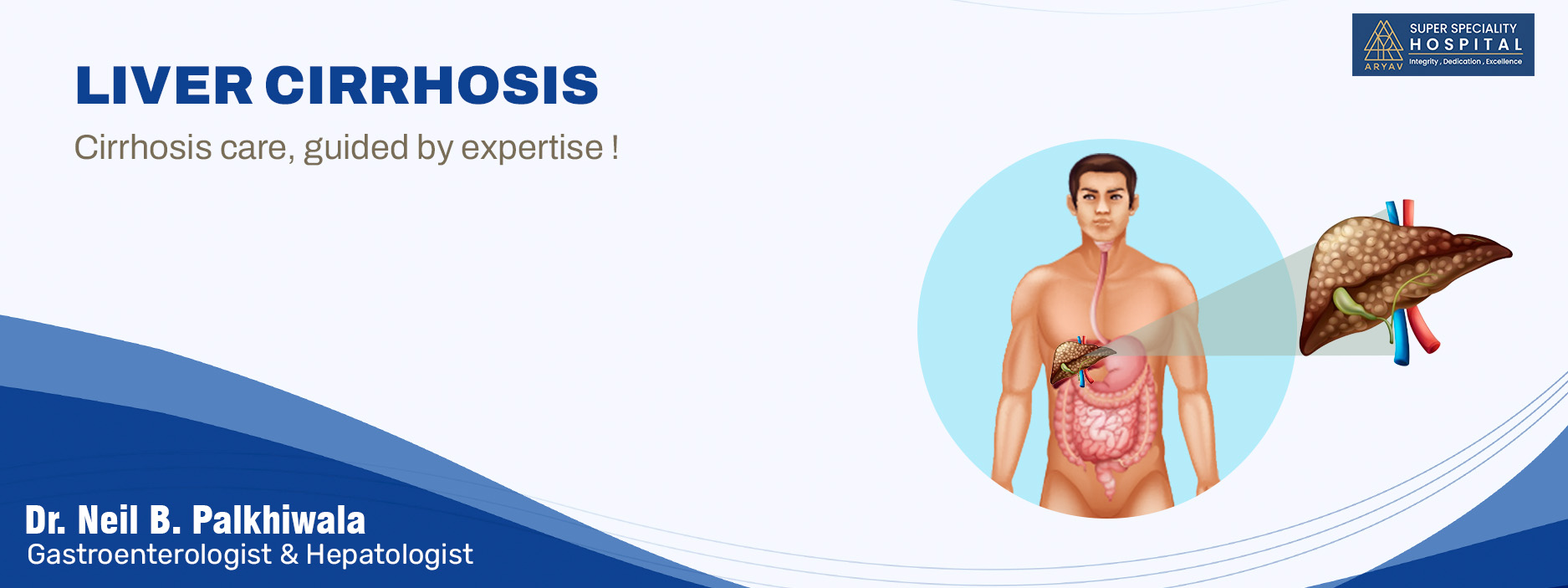
Liver Cirrhosis is a late stage of scarring (fibrosis) of the liver caused by many forms of liver diseases and conditions, such as hepatitis and chronic alcoholism. While the scarring itself cannot be fully reversed, expert medical treatment can delay or stop its progression, manage serious complications, and significantly improve quality of life. For advanced (decompensated) cases, a liver transplant may be recommended.
Understanding Liver Cirrhosis
The liver is an incredible organ capable of regenerating itself. However, each time your liver is injured — whether by disease, excessive alcohol consumption, or fat accumulation — it tries to repair itself. In the process, scar tissue forms. As cirrhosis progresses, more and more scar tissue forms, making it difficult for the liver to function properly. Advanced cirrhosis is life-threatening.
Major Causes of Liver Cirrhosis
Cirrhosis is never a disease that develops overnight. It is the result of years of ongoing damage. The most common causes include:
- Chronic Alcohol Abuse: Over time, heavy drinking leads to Alcoholic Liver Disease and severe scarring.
- Non-Alcoholic Fatty Liver Disease (NAFLD): Fat buildup in the liver can lead to inflammation (NASH) and eventual cirrhosis. Treating fatty liver early is crucial.
- Chronic Viral Hepatitis: Long-term Hepatitis B or C infections are leading global causes of liver cirrhosis.
- Genetic Conditions: Such as Hemochromatosis (iron buildup), Wilson's disease (copper buildup), or Alpha-1 antitrypsin deficiency.
- Autoimmune Hepatitis: The body's immune system mistakenly attacks liver cells.
Recognizing the Symptoms (Compensated vs. Decompensated)
Cirrhosis is generally categorized into two stages, each presenting different clinical pictures.
Compensated Cirrhosis
In this stage, the liver is heavily scarred but can still perform most basic functions. Symptoms are often subtle or absent, making regular screening vital.
- Chronic fatigue and weakness
- Loss of appetite and weight loss
- Nausea
- Mild pain in the upper right abdomen
Decompensated Cirrhosis
This is the critical stage where the liver fails to function properly, leading to severe complications.
- Jaundice: Yellowing of skin and eyes.
- Ascites: Fluid accumulation in the abdomen.
- Edema: Swelling in the legs.
- Hepatic Encephalopathy: Confusion or drowsiness.
- Easy bruising and bleeding.
Advanced Diagnostics at Our Ahmedabad Clinic
Accurate staging is critical for effective liver cirrhosis treatment. Dr. Neil Palkhiwala utilizes the latest diagnostic tools at the Liver Clinic in Ahmedabad:
| Diagnostic Tool | Purpose |
|---|---|
| FibroScan® (Transient Elastography) | A non-invasive, painless ultrasound alternative to a liver biopsy that measures liver stiffness (scarring) and fat accumulation instantly. |
| Comprehensive Blood Panels | Liver Function Tests (LFTs), kidney function, coagulation profiles (INR), and viral serology to assess total organ health. |
| Diagnostic Endoscopy | Used to screen for and treat esophageal varices (enlarged veins) which are a dangerous complication of portal hypertension. |
| High-Resolution Imaging | Ultrasound, CT scans, or MRIs to look for liver nodules, portal vein blood flow, and screen for liver cancer. |
Comprehensive Treatment and Management
Treatment for liver cirrhosis depends heavily on the cause and the extent of liver damage. The goals are to slow the progression of scar tissue, prevent or treat symptoms, and manage severe complications.
- Treating the Underlying Cause: This may involve antiviral medications for Hepatitis, strict alcohol cessation programs, or weight loss and dietary control for NASH.
- Managing Portal Hypertension: Blood pressure medications (beta-blockers) are prescribed to lower pressure in the portal vein, reducing the risk of severe internal bleeding.
- Endoscopic Variceal Ligation (EVL): If varices (enlarged veins) are found in the esophagus, rubber bands are placed over them endoscopically to prevent fatal ruptures and GI Bleeding.
- Ascites Management: Fluid buildup in the abdomen is treated with a low-sodium diet and diuretics (water pills). In severe cases, a procedure called Paracentesis is performed to drain the fluid.
- Hepatic Encephalopathy Treatment: Medications like lactulose or specific antibiotics are given to reduce the buildup of toxins in the blood that affect brain function.
- Liver Cancer Screening: Patients with cirrhosis have a high risk of developing hepatocellular carcinoma. We implement strict 6-month surveillance protocols using ultrasound and AFP blood tests.
When is a Liver Transplant Required?
When cirrhosis progresses to the point where the liver completely fails (End-Stage Liver Disease) and complications can no longer be managed with medications, a liver transplant becomes the only definitive treatment. Dr. Neil Palkhiwala provides expert pre-transplant evaluation, patient optimization, and long-term post-transplant care.