GI Cancer

Fighting GI Cancer with Hope and Precision

Gi-Cancer

What is GI Cancer?

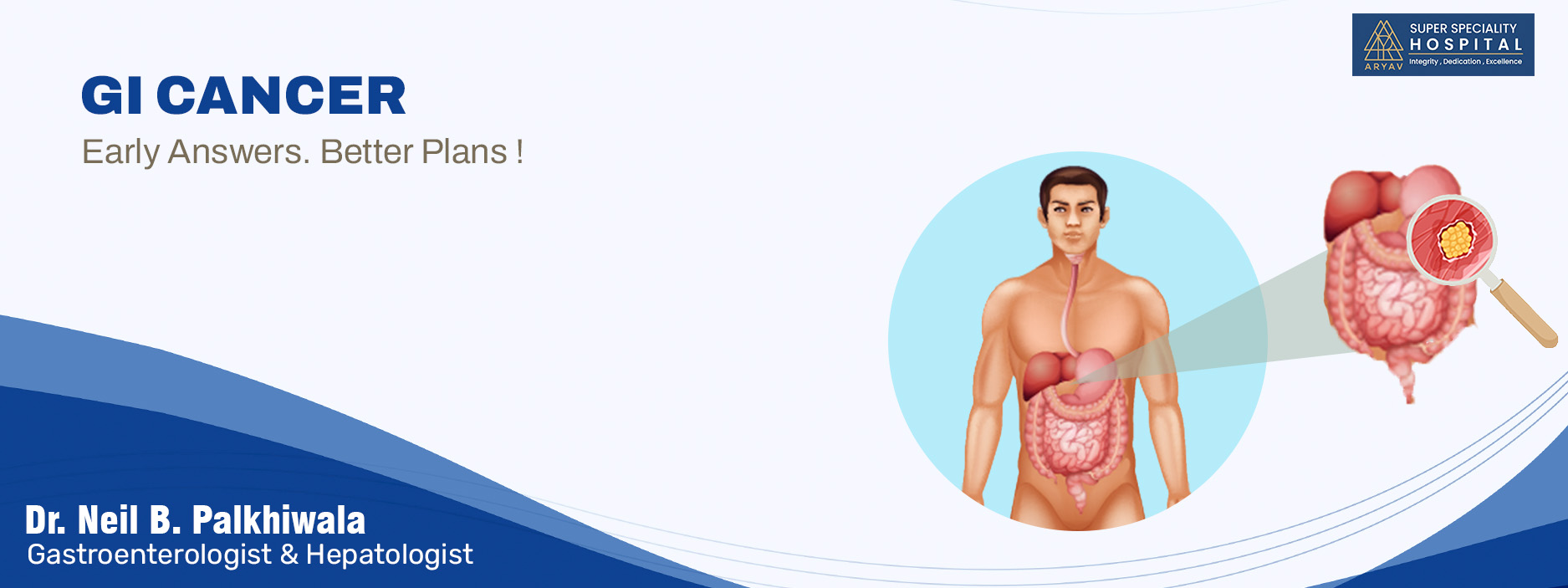
Gastrointestinal (GI) cancer refers to cancers that occur anywhere along the digestive tract and associated organs. This includes cancers of the esophagus, stomach, liver, pancreas, small intestine, colon, rectum, and anus.

Symptoms of GI Cancer:

Causes of GI Cancer:

Types of GI Cancer:

How Is GI Cancer Diagnosed?

Diagnosis involves:

Treatment Options for GI Cancer

Treatment depends on the cancer type and stage and may include:
Dr.Neil Palkhiwala- GI Cancer Treatment Specialist in Ahmedabad
Dr. Neil Palkhiwala specializes in the diagnosis and management of GI cancer, offering treatments such as endoscopic removal (EMR, ESD), surgery, chemotherapy, radiation, targeted therapy, and immunotherapy. With expertise in advanced endoscopic techniques for early detection, biopsy, and treatment, he provides personalized care plans tailored to each patient. Using endoscopy, stenting, and minimally invasive procedures, Dr. Palkhiwala focuses on relieving symptoms, preventing complications, and supporting effective cancer management to ensure better outcomes and improved quality of life.
Schedule your GI Cancer care with Dr. Neil Palkhiwala- Director and Head Aryav Multispeciality Hospital, Ahmedabad . Call us to book your appointment or ask any questions to +91 91069 95254


Frequently Asked Questions

Is gastrointestinal cancer curable?
The curability of gastrointestinal cancer depends on the type, stage, and overall health of the patient. Early-stage cancers can often be treated successfully with surgery, chemotherapy, or radiation. Advanced stages may require a combination of treatments for management and symptom control.
Gastrointestinal cancers are diagnosed using a combination of endoscopy, imaging tests (CT, MRI), biopsy, and blood tests. A gastroenterologist or GI cancer specialist evaluates symptoms and performs necessary tests for accurate diagnosis.
There are several types of gastrointestinal cancers, including esophageal, stomach, liver, pancreatic, small intestine, colorectal, and anal cancers. Each type affects different parts of the digestive tract and may require specialized treatment.