What is Bile Duct Disease?
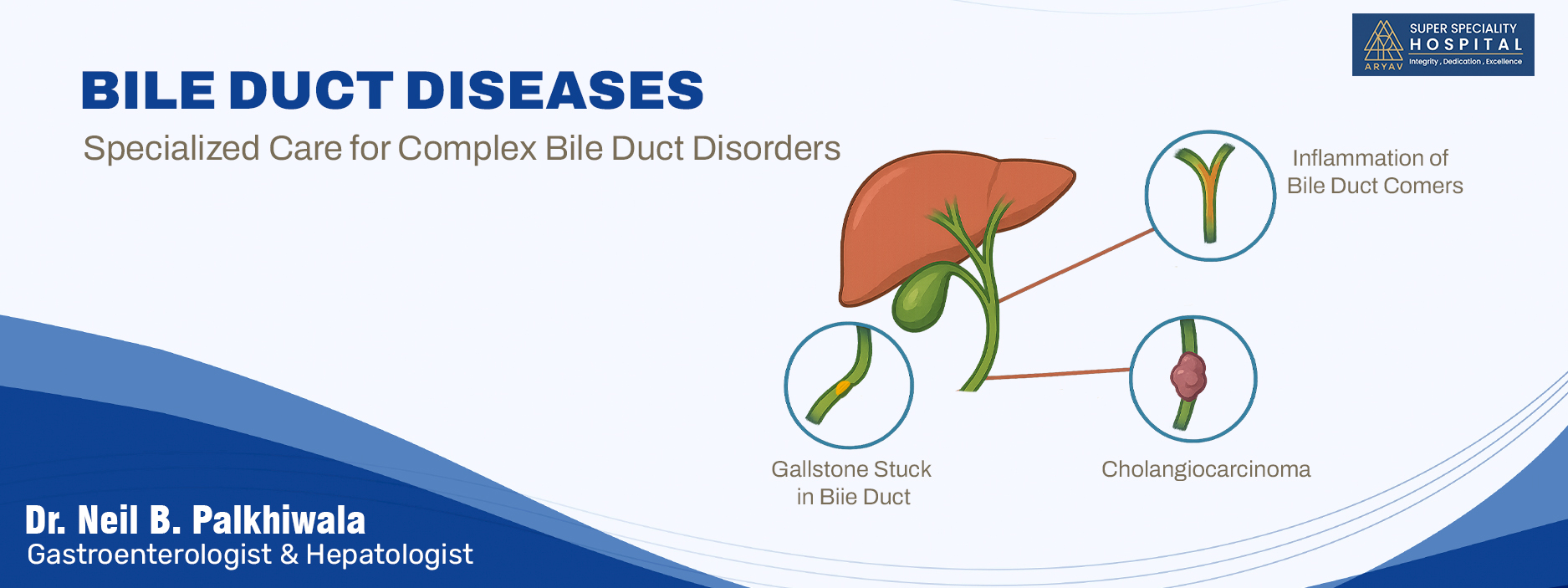
Bile duct disease refers to a group of conditions that affect the bile ducts—the thin tubes that carry bile (a digestive fluid made by the liver) to the gallbladder and small intestine. These ducts play a vital role in digestion, especially in breaking down fats.
When the bile ducts are blocked, inflamed, narrowed, or damaged, it can lead to digestive
issues, liver damage, or serious complications.
Symptoms of Bile Duct Disease:
Common Types of Bile Duct Disease:
Bile Duct Disease Symptoms
Bile duct disease symptoms may include abdominal pain, jaundice, nausea, dark urine, pale stools, and unexplained weight loss. These signs often indicate blockages or inflammation in the bile ducts and should be evaluated by a specialist for proper diagnosis and treatment.
How to Diagnose Bile Duct Disease?
Doctors may recommend:
Treatment Options for Bile Duct Disease
The treatment for bile duct disease depends on the specific cause, severity, and location of the
problem. Common treatment options include:
1. Medications
2. Endoscopic Procedures (e.g., ERCP)
3. Surgery
4. Liver Transplant
5. Lifestyle Changes
Dr.Neil Palkhiwala- Bile Duct Disease Specialist in Ahmedabad
Dr. Neil Palkhiwala specializes in advanced GI and hepatobiliary endoscopy, providing expert care for bile duct diseases through minimally invasive techniques. With proficiency in ERCP, stenting, and other endoscopic procedures, he ensures early diagnosis and effective, personalized treatment for every patient.
Schedule your Bile Duct care with Dr. Neil Palkhiwala- Director and Head Aryav Multispeciality Hospital, Ahmedabad . Call us to book your appointment or ask any questions to +91 91069 95254
Frequently Asked Questions