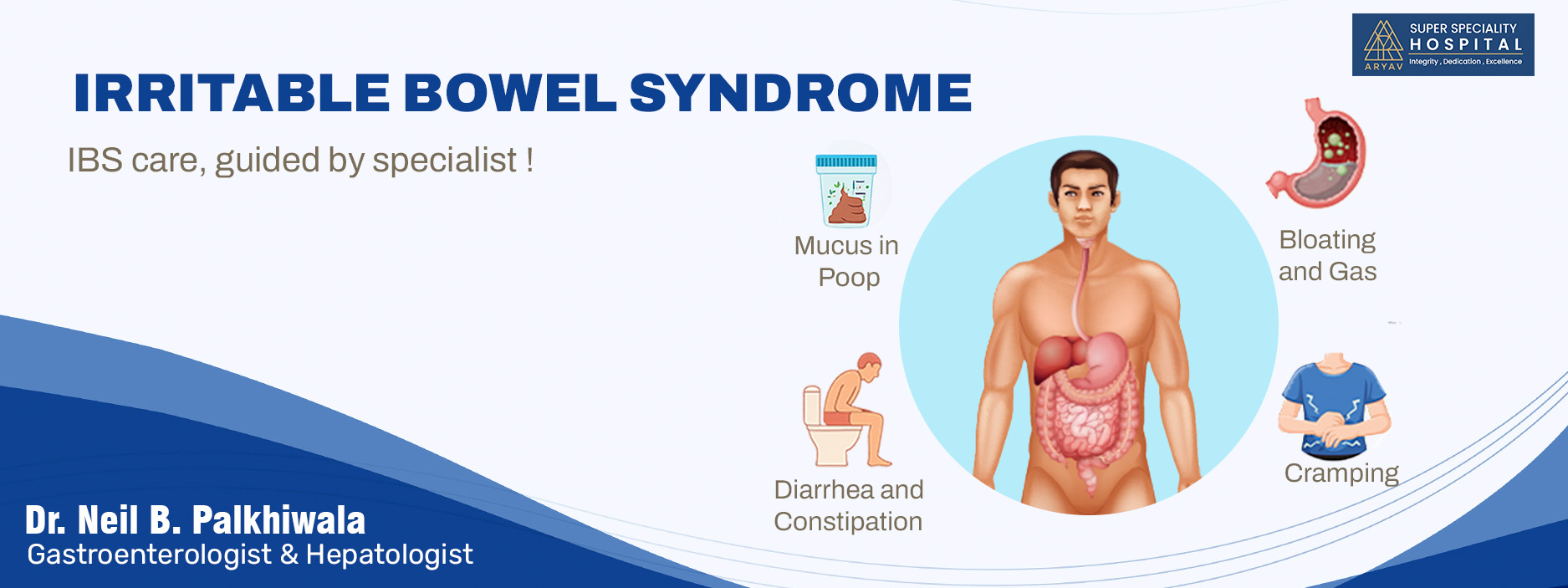
Irritable Bowel Syndrome
Irritable Bowel Syndrome (IBS) is a common digestive disorder that affects the large intestine
(colon), causing symptoms like abdominal pain, bloating, gas, and changes in bowel habits such
as diarrhea, constipation, or both.
It’s a functional gastrointestinal disorder, meaning it results from problems in how the gut
works rather than from structural abnormalities. While IBS is not life-threatening and doesn’t
cause permanent damage, it can significantly affect quality of life.
Symptoms of Irritable Bowel Syndrome (IBS) :
Causes of Irritable Bowel Syndrome (IBS) :
Treatment Options for IBS:
IBS is manageable, though not curable. Treatment is personalized based on the subtype
(IBS-D, IBS-C, or IBS-M).
1. Diet & Lifestyle Changes
2. Medications
3. Psychological Therapies
Dr.Neil Palkhiwala- Irritable Bowl Syndrom Specialist in Ahmedabad
Dr. Neil Palkhiwala specializes in the diagnosis and management of Irritable Bowel Syndrome (IBS). With advanced diagnostic methods and personalized treatment plans, he helps patients achieve early relief, effective symptom control, and long-term digestive comfort, improving overall health and quality of life.
Schedule your Irritable Bowl Syndrom (IBS) care with Dr. Neil Palkhiwala- Director and Head Aryav Multispeciality Hospital, Ahmedabad . Call us to book your appointment or ask any questions to +91 91069 95254